FAW Tiger VH vs Foton MP-M280
Pick a variant under each one to compare exactly what you would buy. All prices are ex-factory.
People also add
| Specification |
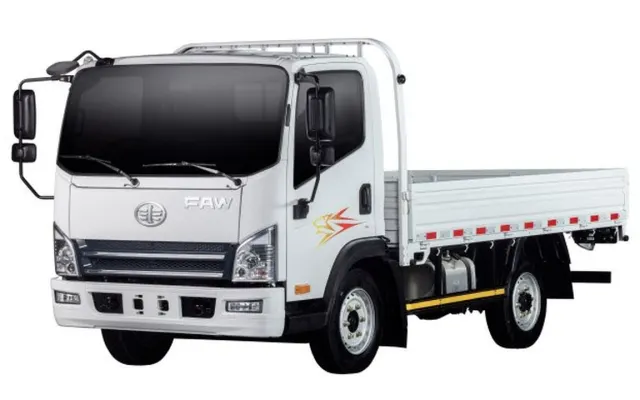 FAW Tiger VH
Tiger VH 130 HP 4x2 |
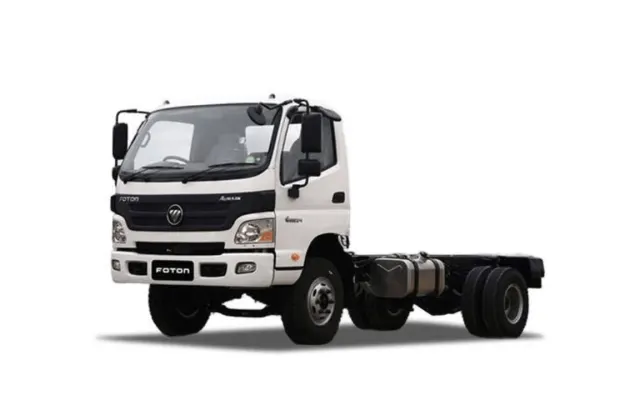 Foton MP-M280
MP-M280 2.8 | |
|---|---|---|---|
| Price | |||
| Ex-factory price | — | — | |
| Powertrain | |||
| Type | Diesel | Diesel | |
| Engine | |||
| Fuel | Diesel | Diesel | |
| Engine | 4214 cc | 2771 cc | |
| Engine power | 130 hp | 77 hp | |
| Engine torque | 380 Nm | 171 Nm | |
| Performance & drive | |||
| Transmission | Manual | Manual | |
| Payload | 7 tons | — | |
| Size & practicality | |||
| Gross vehicle weight | 10000 kg | — | |
| Payload | 7000 kg | — | |
| Cargo body (L × W) | 4900 mm deck length (16 ft) | — | |
| Axle configuration | 4x2 | — | |
| Wheelbase | 3860 mm | 2600 mm | |
| Fuel tank | 100 L | 55 L | |
| Tyre size | 8.25-R16 | 7.00R16 | |
| Colours | White | White, Blue | |
| Safety | |||
| Air brakes | Yes | No | |
| Exhaust brake | Yes | No | |
| Cabin & comfort | |||
| Air conditioning | No | Yes | |
| Power steering | Yes | No | |
| Central locking | No | Yes | |
| USB charging | Yes | No | |
| Working equipment | |||
| Turbocharged engine | Yes | No | |
| Intercooler | Yes | No | |
| Twin rear wheels | Yes | No | |
| Other | |||
| Radio with USB and 2 speakers | Yes | No | |
| Air conditioning (optional) | Yes | No | |
| ED paint | Yes | No | |
| Tachometer | No | Yes | |
| USB/AUX audio input | No | Yes | |
| Verdict | |||
| Expert rating | 7/10 | 6/10 | |
FAW Tiger VH vs Foton MP-M280: quick answers
Which is more powerful, the FAW Tiger VH or the Foton MP-M280?
The FAW Tiger VH 130 HP 4x2 is the most powerful (FAW Tiger VH 130 HP 4x2: 130 hp; Foton MP-M280 2.8: 77 hp).
Which has more safety features, the FAW Tiger VH or the Foton MP-M280?
The FAW Tiger VH 130 HP 4x2 has 0 airbags and 2 safety and driver-assistance features and the Foton MP-M280 2.8 has 0 airbags and 0 safety and driver-assistance features. Independent crash-test ratings, where available, are the best guide to real-world safety.